
The Role of Nicolás Maduro in the Geopolitics of Latin America
13 دی 1404
زمان مطالعه
در ادامه، خلاصهی مقاله به
The Role of Nicolás Maduro in the Geopolitics of Latin America
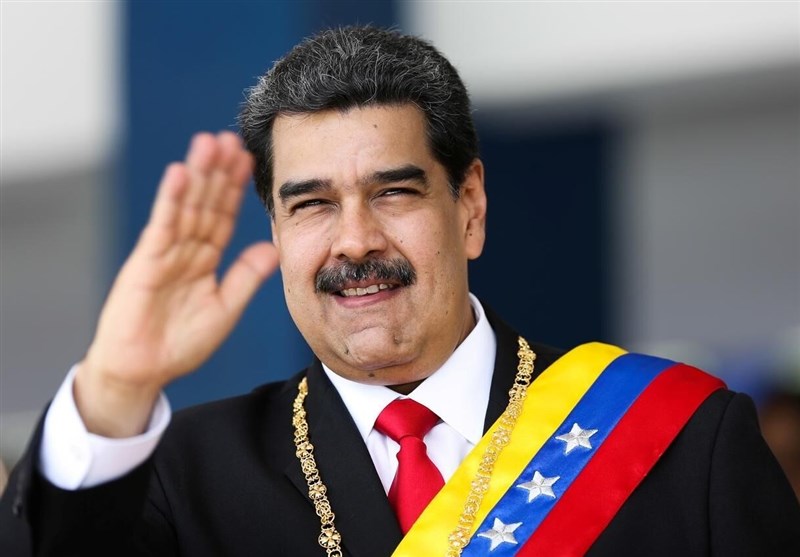
Nicolás Maduro’s leadership has kept Venezuela at the center of Latin American geopolitics despite severe internal economic and political crises. As the successor to Hugo Chávez, Maduro has continued the Bolivarian socialist and anti-hegemonic discourse, positioning Venezuela as a symbol of resistance to U.S. influence in the region. Rather than acting as a dominant regional power, Maduro functions as a balancing and disruptive actor within the U.S.-led regional order.
Venezuela’s vast oil reserves remain a key geopolitical instrument, enabling Maduro to pursue strategic relations with extra-regional powers such as China, Russia, and Iran, particularly in response to Western sanctions. At the regional level, Venezuela maintains an ideological presence through organizations like ALBA and CELAC, contributing to alternative political alignments in Latin America.
Additionally, Venezuela’s domestic crisis has generated significant regional impacts, especially through large-scale migration, turning internal instability into a broader regional security and social issue. The recent return of left-wing governments in several Latin American countries has partially reduced Venezuela’s isolation and allowed Maduro to re-emerge as a relevant, though limited, geopolitical actor.
Overall, Maduro’s role in Latin American geopolitics is best understood not as hegemonic leadership but as ideological resistance and strategic balancing against U.S. dominance in the region.